
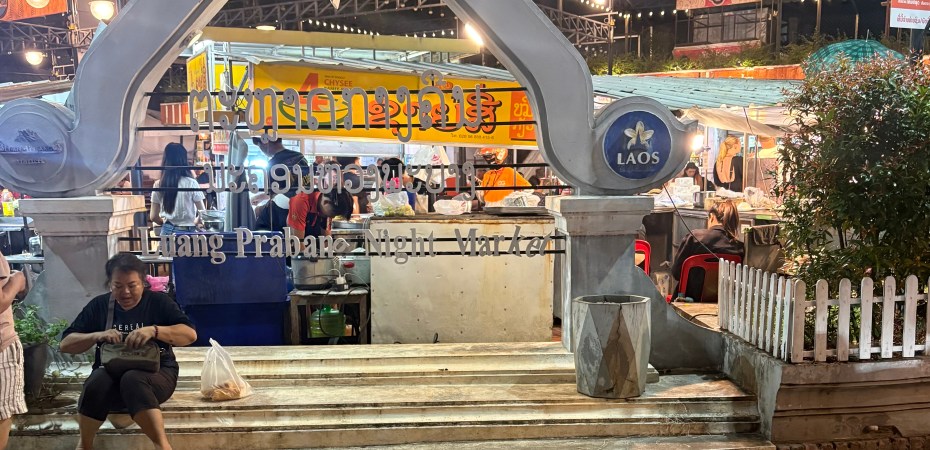
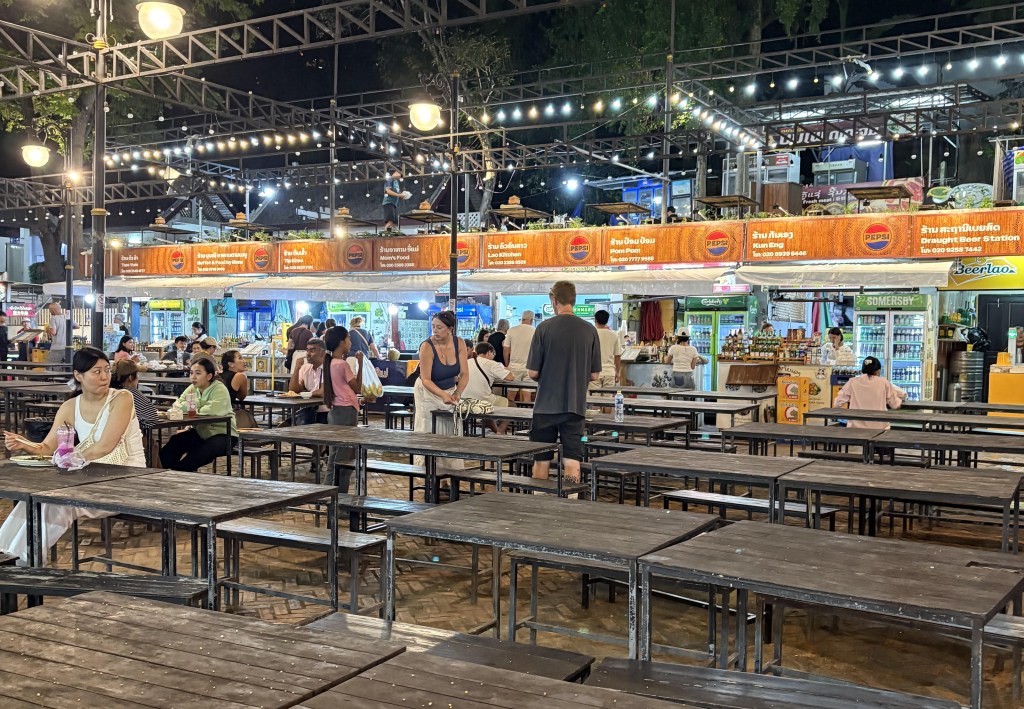
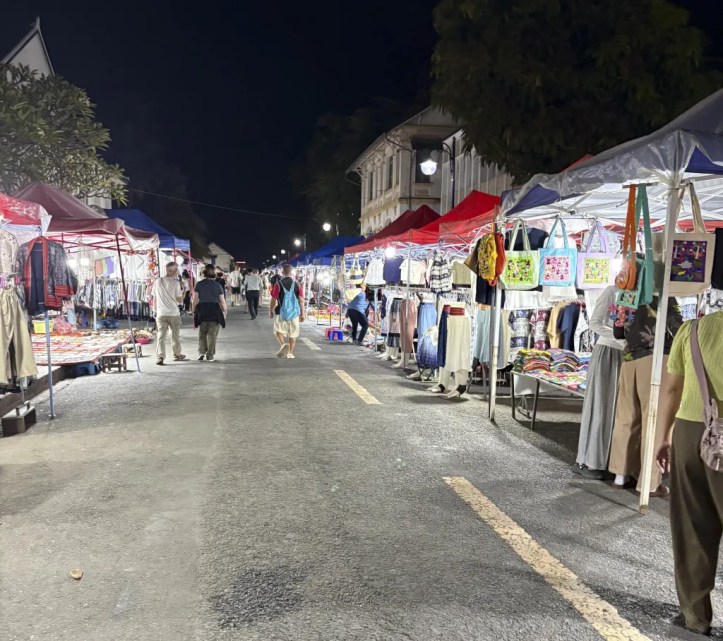
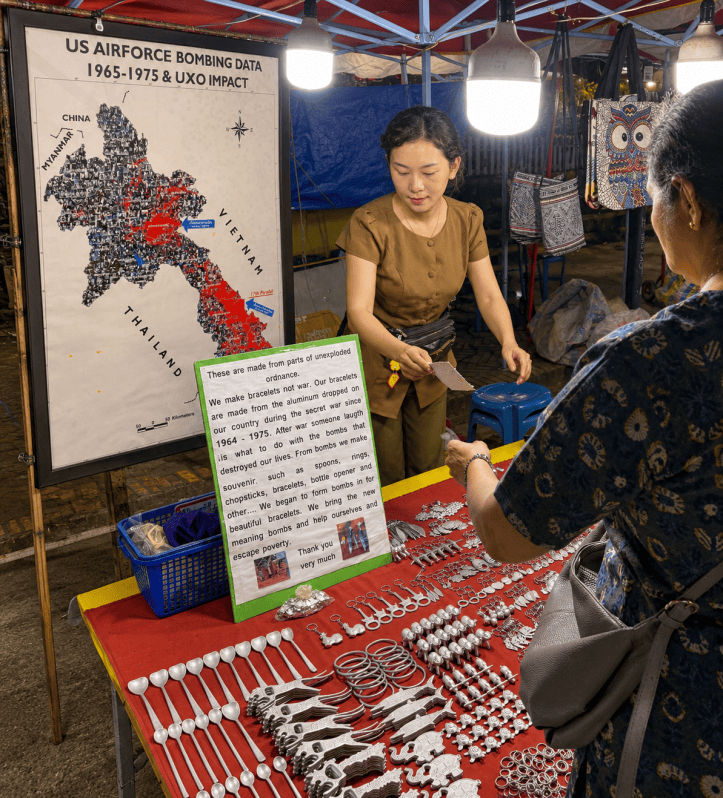
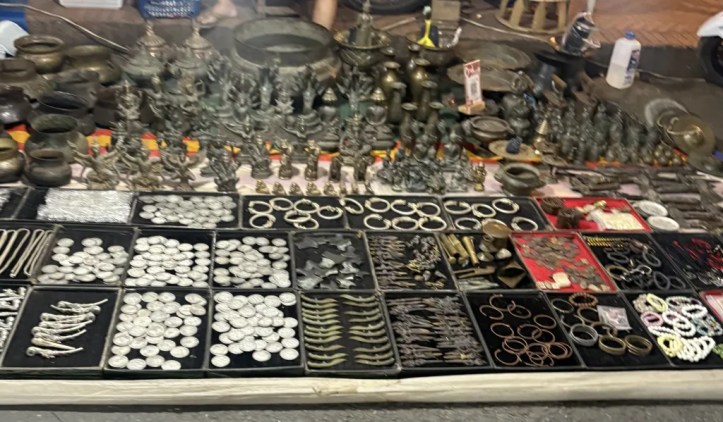
Malati and I visited Luang Prabang, the former capital of Laos, last month. One evening, we explored the night market, a vibrant display of local products and delicious food, like many night markets in Southeast Asia. The market stretches about 500 meters from the Royal Palace to the Tourist Office along Sisavangvong Road, passing Wat Suwannaphumaham, one of the town’s well-known temples. We saw wood carvings, inexpensive clothing, Laotian whisky infused with snakes, handmade bags, and popular elephant pants. Although the Lao whisky looked appealing, its quality seemed questionable. There was plenty of Laotian silk, but it was a bit pricey compared to what we find in India, though cheaper than high street prices. Malati bought a few handmade bags and paper bags, but I was particularly intrigued by the trinkets and metal items made from remnants of unexploded ordnance (UXOs) from the secret war. Or as the posters say From Bombs to Bracelets !!!
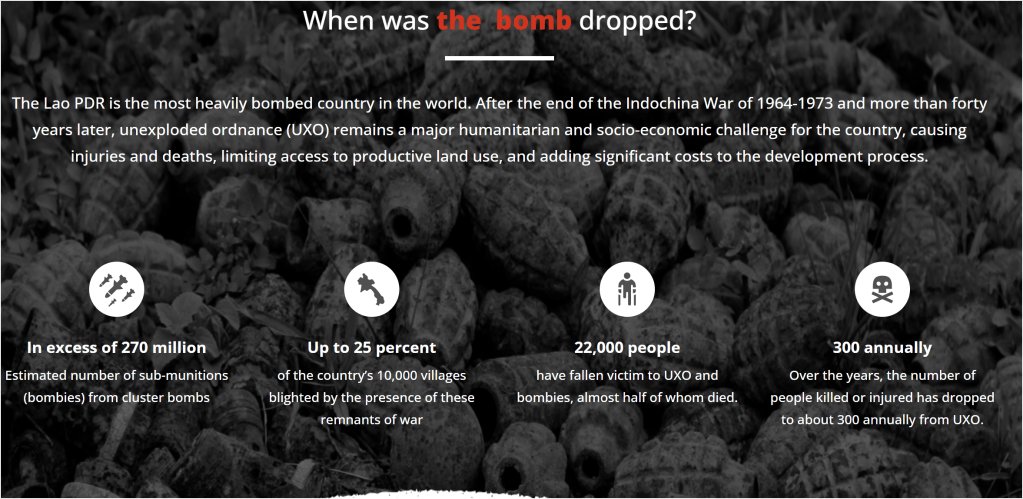
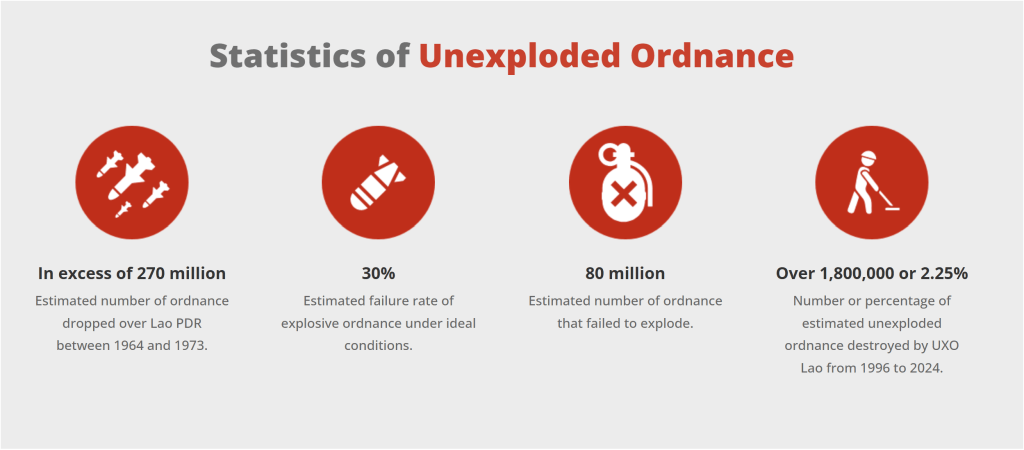
And therein lies the story of suffering and pain which continues long after a war has ceased. Mostly children and maimed adults and farmers are the main casualties. To understand this we need to go back in time to the Vietnam War. The Vietcong supply route called the Ho Chi Minh trail was a mountainous track which ran North-South along the Annamite cordillera in Eastern Laos. From 1964 to 1973 the Americans bombed Laos with 58000 sorties, averaging one sortie every eight minutes round the clock for these nine years making Laos the most heavily bombed region ever in the world. Amongst other bombs, 270 million cluster munitions called “bombies” were dropped on Laos. Of these nearly 30 percent failed to detonate and thus posing a severe impact not only on agriculture but the lives and livelihood of the people in eastern Laos. The Laotian Govt with international support has been clearing these UXOs but the task of demining is a herculean and incomplete – still a long way to go for completion.
The scale of the issue is revealing at the UXO Visitor Centre in Luang Prabang and the MAG centres in Vientiane and Luang Prabang. Although these centres present extensive statistics, they also highlight the human impact. Almost half of Laos is affected, making daily life uncertain because people face a high risk of finding UXO during routine activities. See the graphics below from the Lao government’s UXO programme.
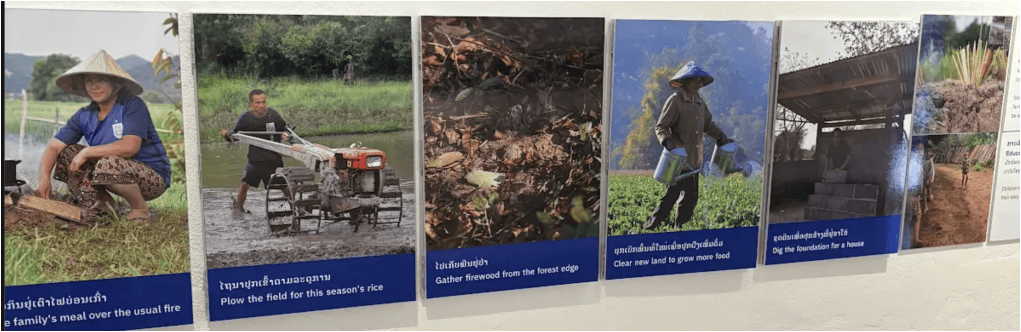
The task of clearing the UXOs is immense and will take many years to declare these areas safe but in the interim even the daily tasks of the Laotians living in these areas is fraught with danger to life and limb.The UXO centre in Luang Prabang has many case studies of victims maimed and families who have lost their loved ones and the videos are particularly heart wrenching .
We rounded off our understanding of the problem by visiting the MAG visitor centre in Vietiane and COPE centre in the capital Vientiane. The mission of the COPE centre is the rehabilitation of bomb affected people with physical disabilities and therefore focuses mainly on the provision of prosthetic limbs to the needy.
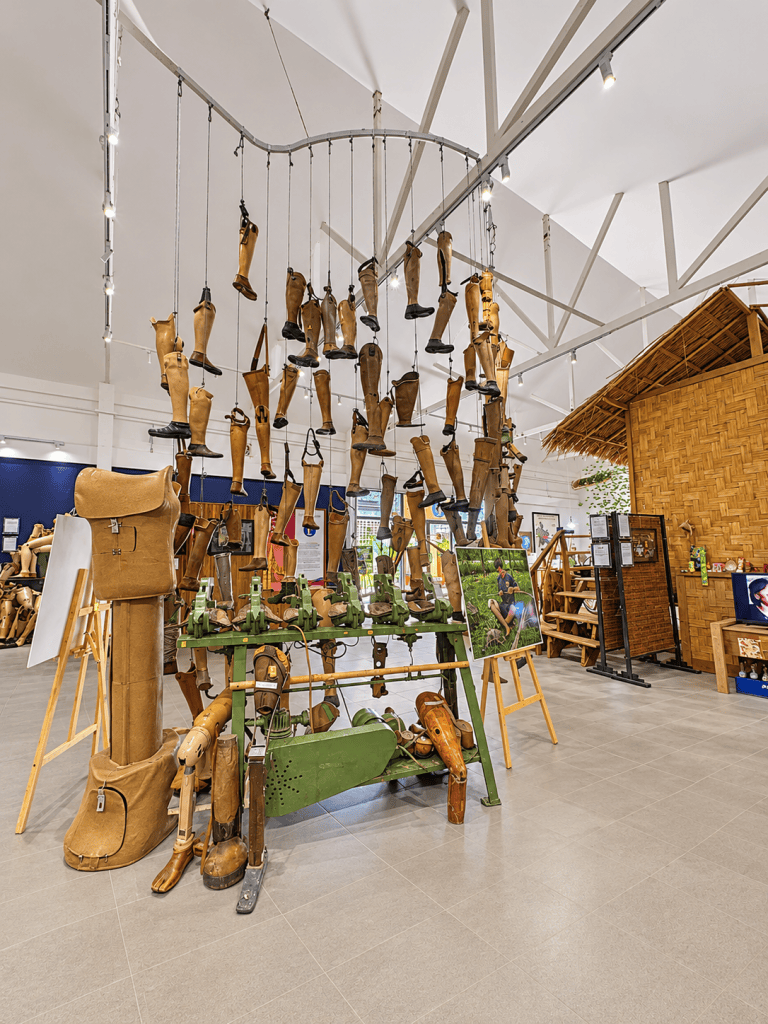
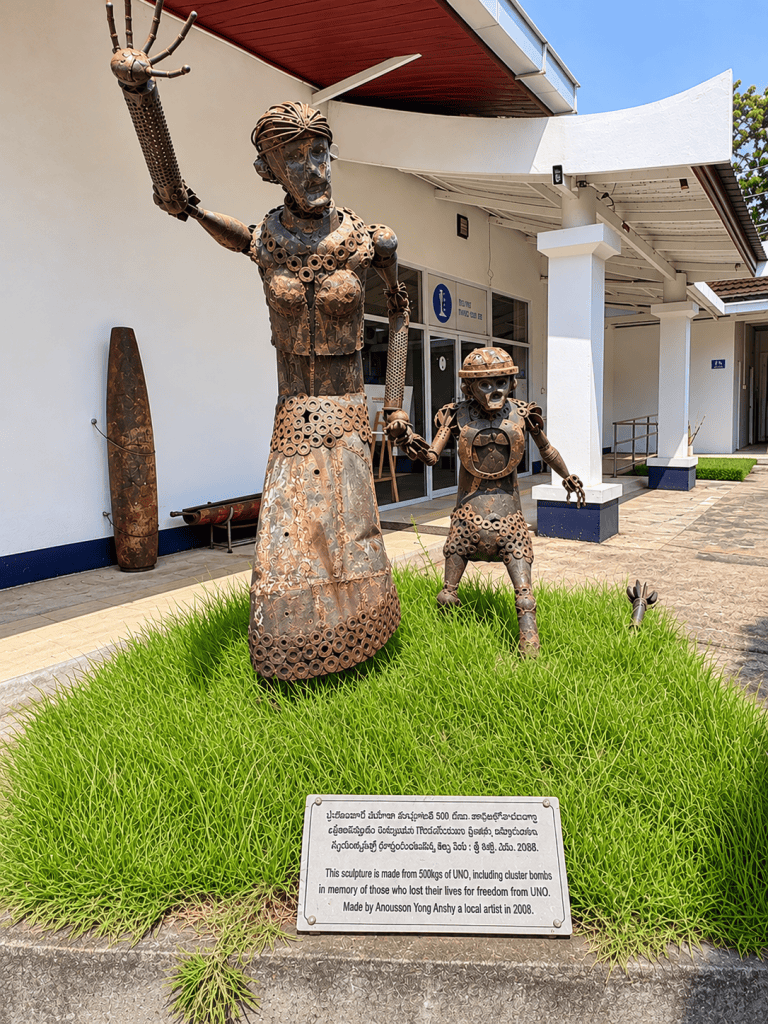
The UXO problem in Laos is a part of their current history and to understand the dimensions one must definitely make a visit to the UXO visitor centre in Luang Prabang and the MAG ( Mines Advisory Group) and COPE Centres in the capital city Vientiane- A must see for every tourist to get a better perspective of Laos – the size of the problem and the great work being done by the Government of Laos with the immense support of the international community -I was stunned to learn that it will take another generation at least to clear all the bombs and make the affected areas safe. In fact there is a movement to include the de- mining as the 18 Strategic Development Goal (SDG) of th United Nations – There are only 17 as of now !!

