Visakhapatnam, also known as Vizag, is an important industrial city, naval base, railway junction, and seaport on the eastern coast of India. During World War II, a small airstrip was built here to support coastal defence and logistics for the Burma front. A sneak Japanese air raid highlighted the airbase’s strategic importance, leading to its immediate rapid expansion. Commercial flights began in 1962, but were stopped soon after due to low demand, only restarting in 1976. In 1986, the airport was handed over to the Indian Navy and was later named INS Dega. The Navy managed the airbase while the National Airports Authority of India (NAAI) handled passenger services. Night landings for commercial flights started in 2012, and the airport served 2.9 million passengers in FY 2025-2026. Mostly domestic flights to Hyderabad, and a few international flights to Singapore, Malaysia, and the Gulf. However, the total number of flights was less than 50 per day. In comparison Delhi Airport had more flights in two weeks than Vizag had in a whole year.
Every commercial airport in the world is assigned two codes: the ICAO (International Civil Aviation Organisation) code and the IATA(International Airline Transport Association) code. The ICAO code is a four-letter code that is used to support air traffic control and aircraft operations. The IATA code is used for passenger services like ticketing and baggage handling . The Vizag airport At INS Dega ICAO Is VOVZ and the IATA code was VTZ . Another example is Mumbai Airport’s ICAO code is VABB, while its IATA code is BOM, named after the city’s old name, Bombay. Yet Another example from the USA is Chicago O’Hare, with ICAO KORD and IATA ORD.
As air traffic increases, airlines may need to move operations to a new, larger airport. Shifting of an airport is a complex exercise which requires careful planning and massive logistics to shift equipment and staff while ensuring continuity of operations. Rather than shifting in stages most planners prefer a “Big Bang cutover ,” where the IATA code is changed at a specific time, stopping all operations instantly at the old airport. In the past many cutovers have happened successfully while many have encountered massive glitches. A notable successful Big Bang Cutover in 2019 when Istanbul moved its IATA code IST from Ataturk International to the new Istanbul Airport . An example of the colossal fiasco was shifting of Kai Tak Airport Hong Kong(1998) to Chep Lak Kok airport. Major computer glitches caused baggage and cargo delays, leading to cargo operations returning to Kai Tak until the new airport was stable. Heathrow (2008) did not opt for the Big Bang cutover and the phased shift was a mega failure. In my hometown of Hyderabad IATA HYD in 2009, the cutover went smoothly without infrastructure or logistical failures. However, after the move, one KLM 747 flight was unaware of the change and decided to divert to New Delhi but eventually landed in Mumbai.
With the increase in civilian traffic and the surge in naval aviation activity the existing airport at INS Dega was found inadequate due to a shortage of arrival and departure slots. A new airport at Bhogapuram was conceived years ago but construction began in 2023 and inaugurated in August 2026 by the Prime minister of India.The last flight took off from the erstwhile Vizag airport at 10 45 pm on 16 August and the IATA code VTZ was cut over at midnight to the new airport at Bhogapuram (ICAO VOVI) in an exceedingly smooth and flawless manner. The old airport at INS Dega retains it ICAO code VOVZ. No IATA code is assigned as commercial flights are not envisaged for at least the next thirty years due to the commercial understanding with the concessionaires of the new airport. On the next morning (17 August) the first flight landed at Bhogapuram airport, named after the armed revolutionary of the region Alluri Sitarama Raju. His heroic activities are a story for another day.
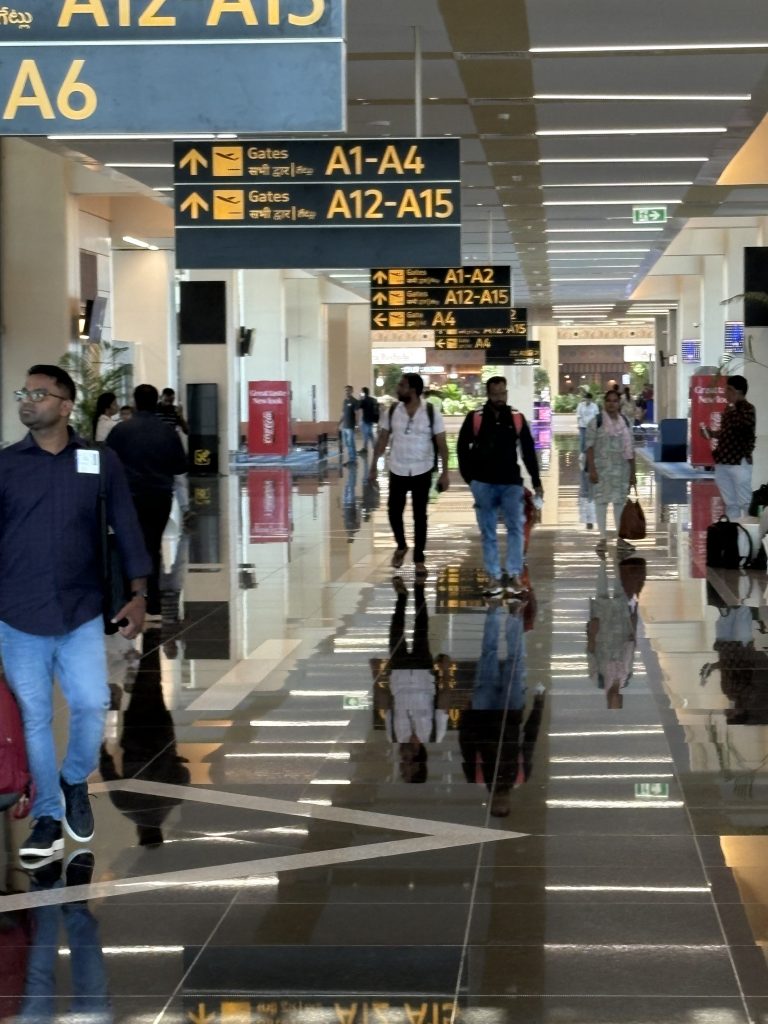
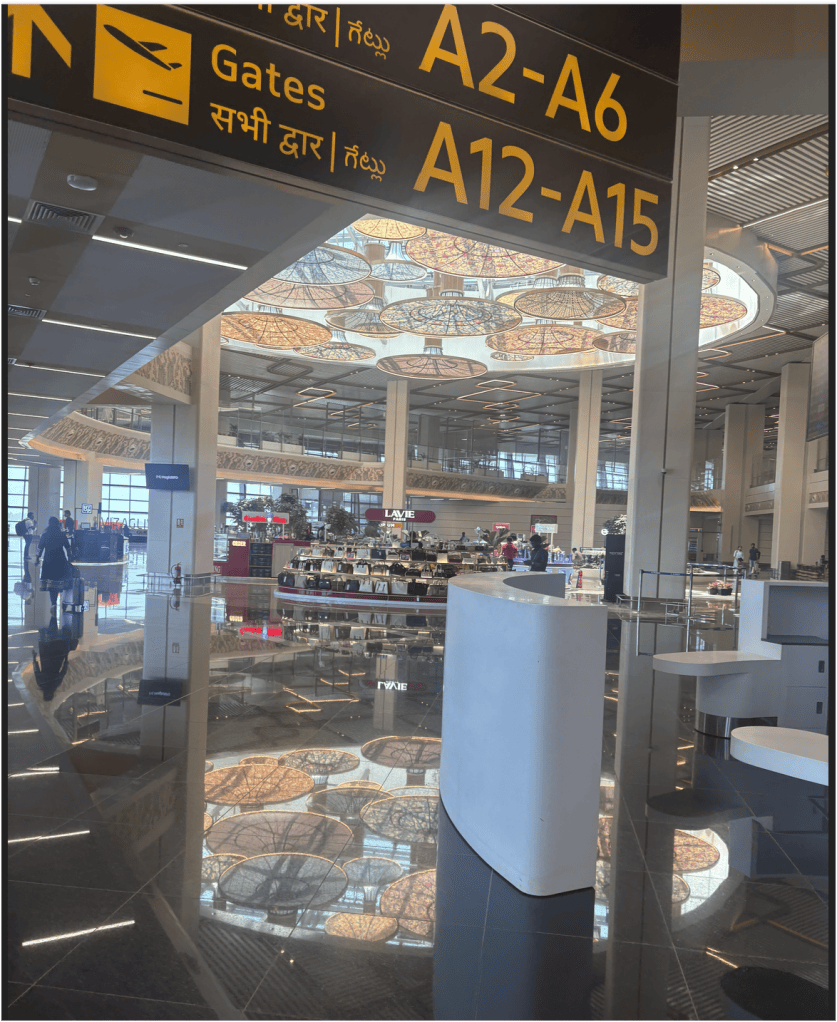
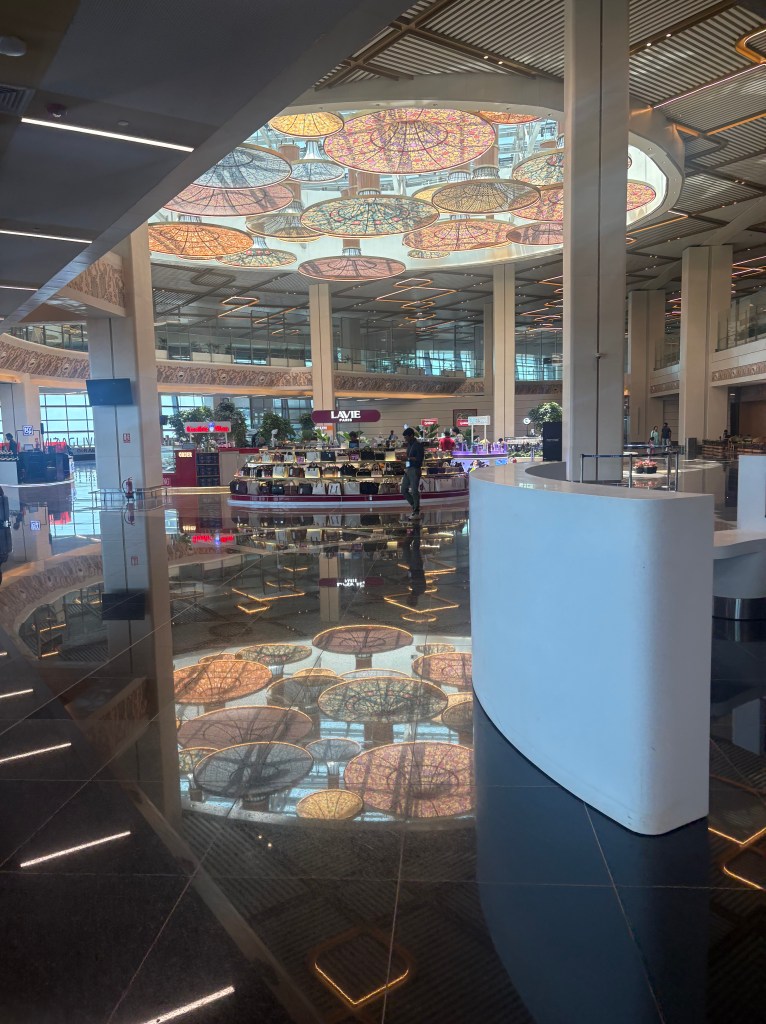
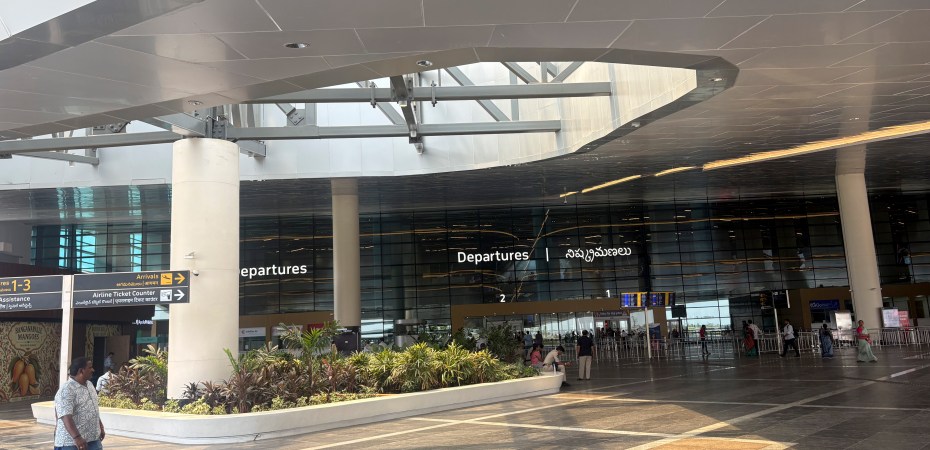
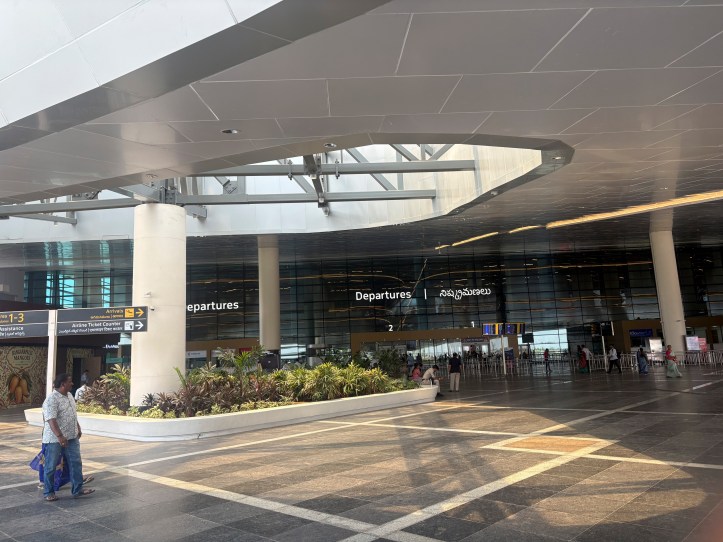
I visited Vizag through the new airport two weeks after it opened. The facilities are excellent, but the airport’s amenities still need improvement. I’m also curious if such a large airport is necessary for only about fifty flights a day. Significant growth in future traffic, especially international flights, is anticipated and I hope the airport stays in good shape until these expectations are met.In spite of the world-class airport infrastructure the usual nagging issues prevailed. Passengers are welcomed by aggressive taxi operators, with Uber drivers negotiating prices beyond the fare. As you leave the airport the view is empty and barren, perhaps because the public had looted all the decorative plants and trees after a nice bath in the fountains! The airport though operational still looked like Work In Progress.The drive into town is about 50 km long, and the promised six-lane road isn’t finished yet.
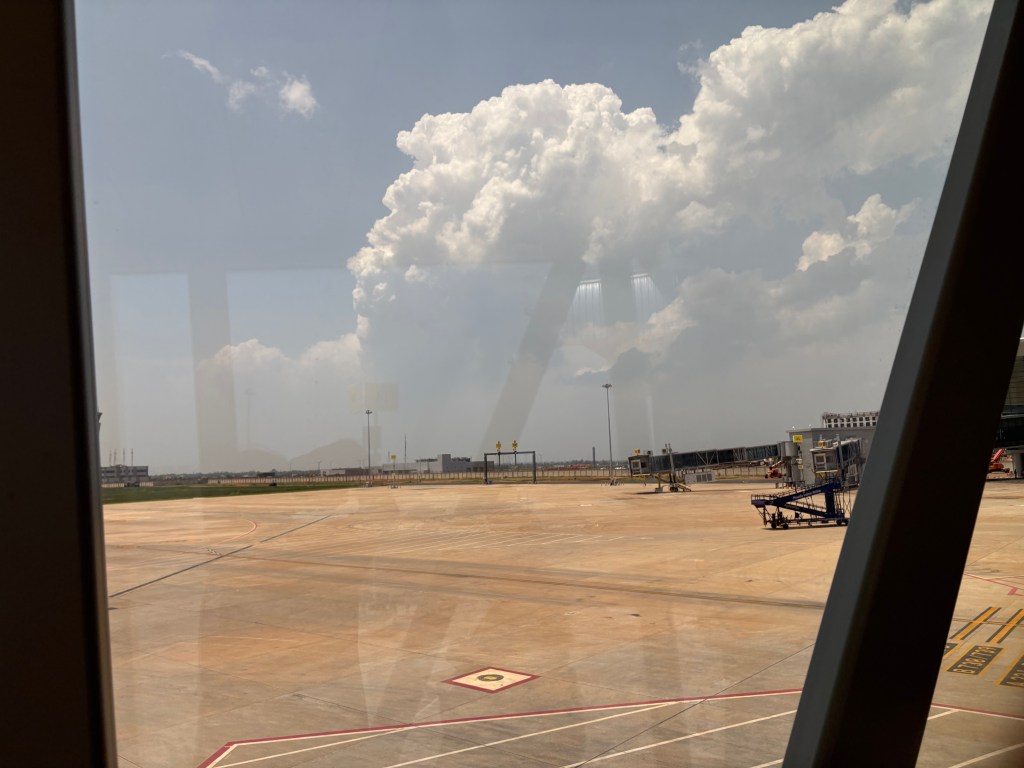

On my return trip to the airport, we arrived in just over an hour from the city after negotiating through some heavy traffic. The Digi Yatra system worked perfectly, and check-in was easy. The shops that have opened feature some great brands, but the staff still need more training and confidence. Card payment machines sometimes work, and coffee machines can be unreliable. The lounge is open but has partnered with very few card companies. The “highlight” at the airport was McDonald’s, where it took a staff of four almost 15 minutes to prepare a Macburger for me, the only customer! I’m sure these issues will improve and shouldn’t reflect poorly on the new modern airport. Overall, the infrastructure and amenities worked well. I was amused to see a digital counter tracking how many customers used the restroom, though neither the attendant nor I could understand what the numbers meant. After a bit of walking to the gate, my flight took off for Hyderabad, and we were back home. Despite the drawbacks, it’s important to recognize that the region now has a new world-class airport, which hopefully will spur development and increase visitors soon.